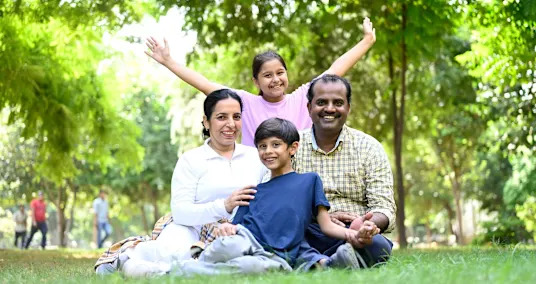
India has started a new programme to train tribal families who host tourists in their homes, aiming to improve service quality and increase income in rural areas.
The initiative is run by the India Tourism Development Corporation (ITDC) and the Ministry of Tribal Affairs. It focuses on people from tribal communities—indigenous groups who often live in remote regions—who offer accommodation to visitors in their own homes, known as homestays.
The first group includes 40 participants from Arunachal Pradesh, Sikkim and Gujarat. The programme is part of a wider effort to expand tourism beyond major cities and into less-developed areas.
What the training programme does
The programme provides practical training to help families run their homestays more effectively.
A homestay is a type of accommodation where travellers stay with a local family instead of in a hotel. Guests can experience local culture, food and daily life, while hosts earn income.
Participants receive lessons on basic hospitality, such as how to welcome guests, maintain cleanliness, prepare safe food, and manage bookings. They also learn simple business skills.
Officials said the training aims to “improve visitor experience” and raise service standards across tribal homestays.
A new guidebook has also been released to explain how to set up and operate a homestay step by step.
Why the programme matters
Tourism in India is growing, and more travellers are looking for local and authentic experiences rather than traditional hotels.
Homestays in tribal areas offer this type of experience. They also help bring tourism income directly to local families, especially in places where there are few job opportunities.
The government says the programme will support “sustainable livelihoods” by helping families earn money while preserving their culture and traditions.
It also helps develop tourism in areas that currently lack hotels and tourism infrastructure.
Plans to expand the scheme
The government plans to train around 1,500 people in the early stages of the programme.
A “train-the-trainer” approach will be used, meaning some participants will later train others in their communities. This is expected to help the programme reach more regions over time.
The initiative reflects a broader policy to make tourism more inclusive by involving local communities directly.
Officials said it is a step towards “community-led sustainable tourism”, where economic growth is combined with protection of local culture and heritage.
"New India programme supports tribal families hosting tourists" was originally created and published by Hotel Management Network, a GlobalData owned brand.
The information on this site has been included in good faith for general informational purposes only. It is not intended to amount to advice on which you should rely, and we give no representation, warranty or guarantee, whether express or implied as to its accuracy or completeness. You must obtain professional or specialist advice before taking, or refraining from, any action on the basis of the content on our site.
LATEST POSTS
- 1
 Former biotech CEO sued over COVID vaccine alleged insider trading
 - 2Greece eyes migrant repatriation centres outside the EU
- 3Ministry: New German petrol price regulation takes effect on April 1
- 4How did I get my own unique set of fingerprints?
- 5All the eclipses, supermoons, meteor showers and planets to spot in 2026




- France, Germany, Italy summon Iranian envoys over 'unbearable, inhumane' regime crackdown
- Procter & Gamble changes Crest toothpaste packaging to address Texas AG fluoride concerns
- 10 Natural products to Remember for Your Eating routine for a Better You
- A mom stopped giving her kids snacks — and sparked a debate about eating habits
- Mickey Lee of 'Big Brother' fame dead at 35 after flu complications, family says
- Innospace's rocket crashes in first commercial launch in Brazil; shares tumble
- SpaceX launches Starlink missions in dual-coast spaceflight doubleheader (videos)
- As cases of a rare, deadly infection rise, doctors worry fewer teens will get vaccinated
- What's going around right now? COVID, flu, stomach bug on the rise


