The Scoop
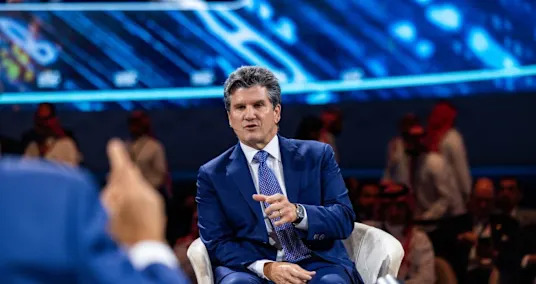
US private equity firm General Atlantic will remain committed to investing in the Gulf even as the war with Iran upends the regional economy, Chief Executive Bill Ford told Semafor in an interview.
“The biggest mistake we could make is to pull back and not be prepared when the markets become more investable,” said Ford. “We’ve been investing globally for 30 years and when we make a commitment to a region it’s permanent.”
General Atlantic, which manages around $120 billion and is known for early investments in Facebook and Uber, has been deepening a push into the Gulf over the past few years, opening offices in Abu Dhabi and Riyadh and backing more local companies. It has invested in real estate classified ads business Property Finder and more recently in Saudi Arabia-based eyewear retailer Eyewa.
Even as Iran has fired a barrage of missiles and drones at the Gulf states and closed down traffic through the Strait of Hormuz, General Atlantic has not stopped looking for deals, said Ford, speaking on the sidelines of the Saudi-backed FII Miami conference. “We have to have discussions about investment risk on specific deals, but we’re continuing to look at some opportunities,” he said.
Know More
The biggest names in private equity and venture investing have been flocking to the Gulf in recent years as the region’s sovereign wealth funds have become an increasingly important source of cash. Not content to just hand out money to foreign managers, the Gulf’s funds have also been applying pressure on international investors to set up shop in the region and invest more there.
BlackRock, KKR, and Ardian are among firms that have heeded those calls and opened offices in the Gulf or boosted their presence in the past few years.
Many of those same firms have been seeking to reassure Gulf policymakers they will stick around, even as many global companies look to move staff out of the region because of safety concerns.
As US fund managers reaffirm commitments to the Middle East, the region’s biggest investors are also continuing to look at US deals, said Ford, defying expectations that economic turmoil and questions about the impact of the war on US-Gulf relations. “I haven’t seen any signs of a movement away from the US by Gulf funds,” he said.
Ford is also staying optimistic about the potential outcome of the conflict, focusing on what could be a huge economic opportunity if hostilities end and relations between Iran and the Gulf states improve. “Optimism about what might come next in the region is very encouraging,” he said.
LATEST POSTS
- 1
 Top Fascinating Organic products: Which One Might You Want to Attempt?
 - 2Decrease in Home Buy Credits and Home loan Renegotiating Rates: An Outline of Latest things
- 3April's full moon decides the date of Easter — here's how it works
- 4The Most Astonishing Arising Advancements to Watch
- 5WHO issues guidance on GLP-1 drugs for obesity





- 'Wicked: For Good' was filmed at this surreal National Park in Egypt
- What's your biological age? Experts explain the benefits and risks of at-home tests
- Czech Republic caps fuel prices amid Iran war energy crisis
- Find the Force of The ability to understand anyone on a deeper level: Improving Mindfulness and Connections
- Step by step instructions to Recognize the Distinction Between Lab Jewels and Precious stone Simulants
- Google's proposed data center in orbit will face issues with space debris in an already crowded orbit
- Trump says Cuba is 'ready to fall' after capture of Venezuela's Maduro
- Four Dead in Last Month From Animal Attacks in Nepal
- Extravagance SUVs for Seniors: Solace, Innovation, and Security