Jan 13 (Reuters) - Gene sequencing company Illumina on Tuesday introduced a dataset that maps genetic changes to help accelerate drug discovery through artificial intelligence.
The company said it was partnering with drugmakers AstraZeneca, Merck and Eli Lilly for its Billion Cell Atlas, which will train advanced AI models at scale and advance research into fundamental disease mechanisms that have previously been out of reach.
Drug developers are increasingly adopting AI for discovery and safety testing to get faster and cheaper results, in line with the U.S. Food and Drug Administration's push to reduce animal testing in the near future.
Drug development software maker Certara and biotechs such as Schrodinger and Recursion Pharmaceuticals are using the booming technology to predict how experimental drugs might be absorbed, distributed or trigger toxic side-effects.
"We believe the Cell Atlas is a key development that will enable us to significantly scale AI for drug discovery," said Illumina CEO Jacob Thaysen.
The Atlas will capture how 1 billion individual cells respond to genetic changes via CRISPR across more than 200 disease-relevant cell lines.
These cell lines have been selected for their relevance to diseases, many of which have been historically difficult to decode, including immune disorders and cancer as well as cardiometabolic, neurological and rare genetic diseases.
The Atlas will enable users to characterize drug and disease mechanisms of action, explore potential new indications and validate candidate targets from human genetics.
(Reporting by Christy Santhosh in Bengaluru; Editing by Shilpi Majumdar)
LATEST POSTS
- 1
 Most loved Solace Food: What's Your Definitive Comfortable Dinner?
 - 2Eco-Accommodating Kitchen Machines: 4 Picks for a Manageable Home
- 3Indian rocket launches record-breaking BlueBird 6 smartphone satellite to orbit (video)
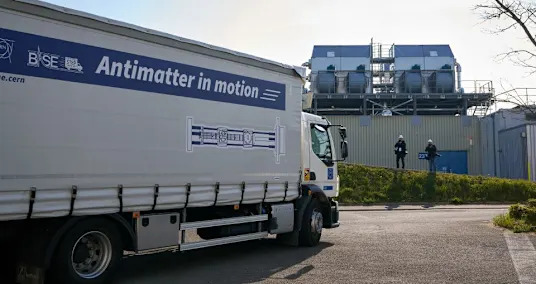
- 4Antimatter took to the road for the very first time. Here’s why it matters
- 5Kiev declares energy emergency after Russian attacks amid winter cold



- Amateur's Manual for Venture Strategies for Tenderfoots
- Ford Is Using a Chinese-Built Van to Fight Europe’s EV Price War
- 2026 will be the year NASA astronauts fly around the moon again — if all goes to plan
- Germany expresses 'great concern' over Israel's new death penalty law
- The most effective method to Safeguard Your Teeth from Acidic Food varieties and Beverages
- 10 Moves toward Start Your Own Effective Business
- Parents who delay baby's first vaccines also likely to skip measles shots
- Iranian strikes on Israel injure 11 and set chemical plant ablaze
- Figure out How to Get the Best Open Record Rewards