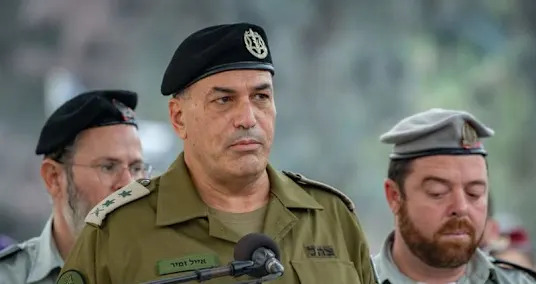
The soldier and bereaved families spoke on the necessity of equal conscription amid the IDF's manpower shortage.
Bereaved families and a wounded soldier spoke on the urgency of equal conscription to Israel’s military during a session of the Knesset’s Foreign Affairs and Defense Committee on Sunday, as lawmakers debated advancing the bill to enforce haredi (ultra-Orthodox) conscription to the IDF.
A severely wounded reservist, who lost his leg and hand in battle, spoke on the need for a law that would ensure haredi conscription to the IDF. Other participants in the panel also discussed necessary changes to the bill in its current form.
The reservist told the panel that he was speaking during Israel’s official appreciation week for wounded soldiers.
“We are in a historic moment in our country, and we need everyone,” the wounded reservist said, calling on haredi men to serve. “The IDF is asking for recruits, and we must respond.”
Promoting integration of the haredi public into workforce
The lengthy meeting continues the marathon discussions on the bill, which have been ongoing since last week. This session focused on section 26G, which deals with “designated vocational training.”

The purpose clause of the bill has several aims, among them promoting the integration of the haredi public into the workforce. It was proposed to delete the section of the bill in the outline so it would not include the goal of promoting haredi employment and instead focus on conscription to the IDF.
IDF representatives justified the change due to the military’s manpower shortage, requiring conscripts to serve in combat, following more than two years of war since the October 7, 2023, attacks.
Foreign Affairs and Defense Committee Chair MK Boaz Bismuth (Likud) laid out his updated version of the legislation to the panel for the first time last week. The outline has faced major pushback from multiple coalition members and opposition MKs, narrowing the chances of the bill passing its second and third readings in the Knesset plenum.
The two haredi parties, Shas and United Torah Judaism, left the coalition in July over disagreements surrounding the bill, which had previously been advanced by former committee chair MK Yuli Edelstein (Likud).
Critics of Bismuth’s revised bill argue that it still fails to enforce haredi conscription, stalls time, and attempts to appease the haredi parties to return to the government.
LATEST POSTS
- 1
 Nearly 16,000 New York City nurses prepare to strike as contract talks stall
 - 2Cyber Monday 2025: Save over 70% on HBO Max with this Prime Video streaming deal
- 3Europe's powerful Ariane 6 rocket launches Sentinel-1D Earth-observation satellite to orbit (video)
- 4Warming winters lead to more nitrate pollution in the drinking water near farms
- 5Blake Lively's sexual harassment claims against Justin Baldoni dismissed. Where the case stands now.




- Bayer sues COVID vaccine makers over mRNA technology
- Instructions to Expand Your Smash 1500's Presentation: Tips and Deceives
- Unsold Rams May Be Less expensive Than You Suspect
- Council removes proposal to rename park named after former president of Israel
- Chief of Staff Zamir warns IDF will collapse due to lack of manpower, raises 'ten red flags'
- Taste the World: Five Food sources That Have Dazzled Worldwide Palates
- Understanding Preschool Projects: An Extensive Aide
- 80 km. on foot: Sharren Haskel’s three-day march in protest of haredi draft bill
- Far-right German youth group delegates seek deportations, remigration