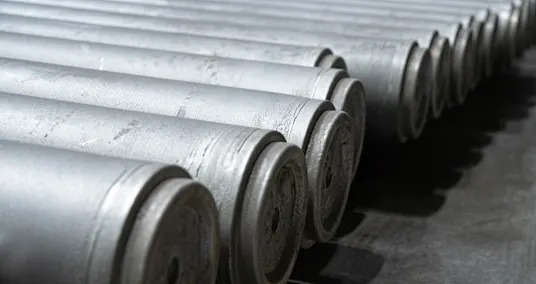
Fears of global aluminium shortages that could affect the production of clean energy technologies intensified after Iran struck two major Gulf aluminium producers, sending prices to a four-year high. The Middle East accounts for 9% of the world’s production of aluminum, which is essential to a wide range of industries from transportation, construction, and packaging, as well as the manufacture of solar panels, electrical transmission systems, wind turbines, and EVs.
Export shipments to the US and Europe had already come to a halt because of the effective closure of the Strait of Hormuz, and Morgan Stanley economists singled out aluminium as carrying a high level of risk across the value chain. Andy Farida, an aluminium analyst at Fastmarkets, told Semafor that high prices would be passed on to end-users, ultimately causing demand destruction. “A prolonged shutdown (with little to no alternative supplies other than Russia and China) could cripple the supply of aluminium to support the production of clean and green technology,” he said, adding that relief could come “if governments allow some sanctioned Russian and Chinese aluminium to be imported.”

LATEST POSTS
- 1
 Why some African countries are prone to military takeovers
- 2Energy agency chief warns of 'black April' for oil supplies
- 3Vote in favor of the bloom plan that adds a bit of excellence to your life!
- 4The most effective method to Shield Your Gold Ventures: Procedures and Precautionary measures
- 5Americans generally like wolves − except when we’re reminded of our politics




- Change Your Skincare: 10 Inventive Magnificence Gadgets
- Extraordinary Picks for Home Apparatuses: Making Life Simpler
- How Much Has the Iran War Cost the Average American Per Day?
- Weight-loss pill approval set to accelerate food industry product overhauls
- The most effective method to Really Adjust Hypothesis and Practice in Your Brain science Studies
- The best ice packs for coolers of 2026, tested and reviewed
- Pick Your Favored kind of salad
- German economic institutes cut forecast in half over Iran war
- How AI fixed the James Webb Space Telescope's blurry vision